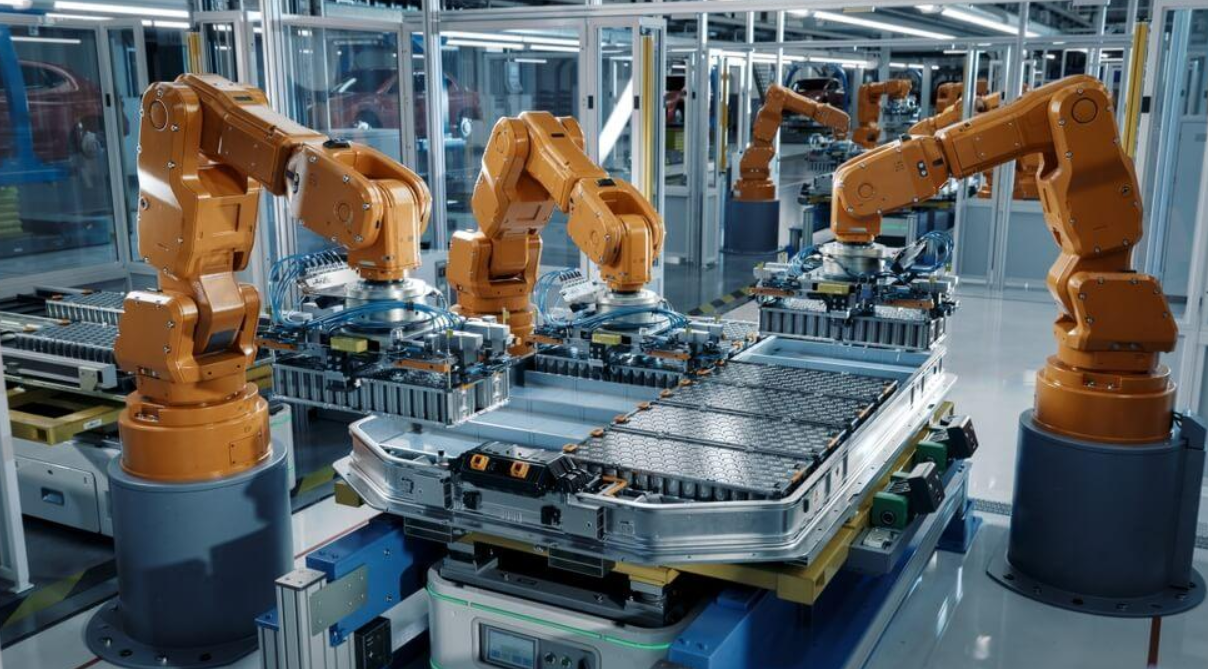
Automation technology is reshaping industrial operations by improving efficiency and minimizing human error. It facilitates rapid scalability in response to market changes while ensuring consistent quality across diverse sectors. The integration of robotics, intelligent systems, and automated logistics is not merely an enhancement but a necessity for competitive survival. As industries embrace these advancements, the implications for productivity and innovation warrant closer examination. What specific transformations are unfolding in various sectors?
The Impact of Robotics on Manufacturing Efficiency
Robotics has transformed manufacturing efficiency by streamlining processes and enhancing productivity.
Through robotic assembly, industries achieve unprecedented levels of process optimization, reducing cycle times and minimizing human error.
Automation facilitates precise task execution, allowing for consistent quality and rapid scalability.
This technological advancement empowers manufacturers to adapt swiftly to market demands, fostering an environment that promotes innovation and operational freedom in production capabilities.
See also: AI in Healthcare, Finance, and Education
Enhancing Logistics With Automation Solutions
Automation solutions significantly enhance logistics operations by optimizing the movement of goods and information throughout supply chains.
Implementing automated inventory systems improves accuracy and reduces lead times, facilitating real-time tracking and management. This technological integration streamlines processes, minimizes human error, and increases efficiency.
Ultimately, the adoption of automation in logistics empowers organizations to respond swiftly to market demands while maintaining operational flexibility.
Transforming Healthcare Through Intelligent Automation
The integration of intelligent automation in healthcare mirrors the advancements seen in logistics, where efficiency and accuracy are paramount.
Telehealth advancements facilitate remote patient monitoring, enhancing accessibility and timely interventions.
Automated systems streamline the management of patient data, ensuring secure storage and rapid retrieval.
This technological evolution empowers healthcare professionals, promotes patient autonomy, and optimizes care delivery, ultimately transforming the healthcare landscape.
Agricultural Innovations Driven by Automated Technology
Significant advancements in agricultural practices are increasingly attributed to the deployment of automated technology, which enhances productivity and resource management.
Precision farming techniques, combined with autonomous drones, facilitate real-time data collection and analysis, optimizing crop yields.
These innovations enable farmers to make informed decisions, thereby promoting sustainable practices while reducing labor costs and resource waste, ultimately transforming the agricultural landscape.
Conclusion
In conclusion, automation technology significantly enhances operational efficiency across various industries, evidenced by a staggering 50% reduction in labor costs reported by companies that have integrated robotics into their manufacturing processes. This shift not only streamlines production but also catalyzes innovation and resource optimization. As industries continue to embrace automation, the potential for improved productivity and sustainability remains vast, positioning organizations to thrive in an increasingly competitive landscape.